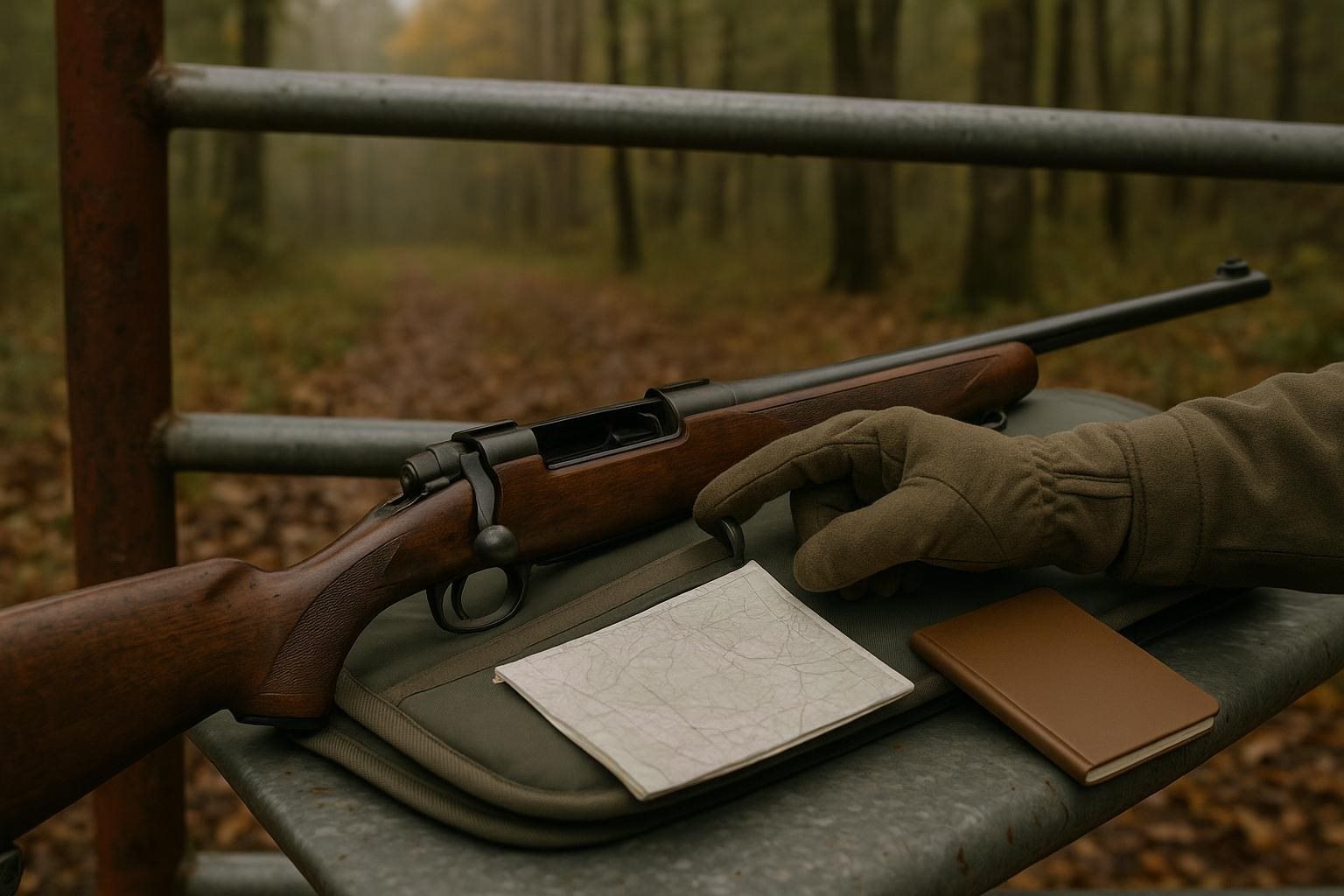
Adapting Guided Hog Hunting Plans in Tennessee
Guided hog hunting in Tennessee can be an experience but it is important to get ready before going into the field. Many things, including weather, new rules and the ideas of your guide can change the way things go. So it is important to make decisions before the trip. Being ready to change plans and talking openly with your guide can make the hunt better.
Set Clear Expectations Before You Go
A good hog hunting trip starts long before you reach the hunting area. Talk with your guide about the land, usual animal movements and what to expect during your trip. Ask about how walking you will do or how long you will stay in one place. Knowing how energy you need will help you pick the right gear. Sometimes making sure your rifle is comfortable and works well is more important than bringing things.
Also learn about how the hunt will work. Will you sit still. Move around the land? It is important to know how your guide will tell you if something changes. Don't forget about the weather-how will you change plans if the weather is different than expected?
Before you leave check these things:
– Make sure you have all the licenses, permits and documents you need under Tennessee laws.
– Read the rules about using guns and the bullets during your hunt.
– Tell your guide about any health problems or physical limits that might affect your trip.
– Decide on signs to use for communication like when to stop, unload or wait for a shot.
– Talk about what to do with the animal you catch including how to handle the meat and what to do with parts that can't be used.
This preparation will help you avoid confusion when it is time to focus on safety and shooting the animal.
Make Sure Communication is Clear and Open
Even if your guide knows the land well it is important to say what you need and what you can do. Tell your guide what you feel comfortable with when it comes to shooting angles, distances and the movements you will make. This honesty helps your guide place you well. Stops you from feeling forced to take shots that are not right for you.
Be clear when you talk. Of saying, "I'm okay with most shots " say something like "I will only shoot if I can see the area clearly and have a good stance." This is easier for your guide to understand and less likely to be misunderstood. Learn the words for shooting areas, where the land ends and the places nearby. Not being clear can cause problems when it matters most.
If you see a target and are not sure about your shot or the background say something. It is better to share your doubts than to take a shot that might not be right.
Know the Difference Between a Chance and a Right Choice
Thinking about what's right to do before you see the animal is important. Decide on the way you will shoot check that you can see well and set a limit for where you will not shoot. These rules must be real for your situation not things you practiced.
Remember that the excitement of a hunt can make it hard to think clearly. Do not shoot at animals that're not clear or moving in a way you do not like. Do not take a shot if you feel rushed, not steady or unsure. It is better to let a chance pass if the situation does not meet your rules.
Also be ready to follow the animal after you shoot. Know when to take the gun off and check around before going to get the animal. If you are not sure if your shot worked tell your guide what you saw. This helps in talking about the hunt
Be Ready for Anything
As you get ready for your trip think about your gear and your mind. Pack for changing weather and bring things like protection for your eyes and ears water a small first aid kit and gear to keep your things dry. Choose shoes that're good for the ground not just for looks.
Practice with your gun-make sure you know how to load, unload and use the safety. Know your bullets and when to load or put your gun away.
Stay aware that there might be times when you see no animals. Even when there is nothing happening do not stop following the safety rules. Staying calm and watching carefully will help you work better with your guide and make the hunt safe.
Keep Up to Date on the Rules
Hunting rules can change without warning. It is important to know what is happening. Before your trip I always check the Tennessee Wildlife Resources Agency for the rules on licenses, how to hunt, when it is allowed and what to do with the animals you catch.
Ask about any rules for the land you are hunting on. Some places might have rules than the normal ones. If your guide says something that's not clear find out for yourself. This is especially important when dealing with the animals you catch and keeping things clean when you move from one place to another.
Think Like a Caretaker
Hunting hogs is more than just fun; it is about taking care of the land. Follow the rules for the place you are hunting do not let hogs go free and make sure your gear is clean to stop spreading anything. These actions are not about rules-they are about being responsible for the animals and the land.
Watch for animals. Tell someone if you see any signs of sickness. Do not take anything. Go past the boundaries without permission. Leave gates,. Any tools, in the same way you found them. Tell the people in charge if something is broken of fixing it yourself.
In the end being a hunter means being ready to change while still being careful following the law and making the right choices. When things change during your hunt having a plan helps both you and your guide deal with the problems without losing your values.